$2y$12$orWN2Ftb7j661xS/k6vXBulyxqYWIsQApTpfnbJPNVfrI7dKELjQe

About No. 7822

One
Manor.

The story, character and continuing preservation of Foxcote Manor.

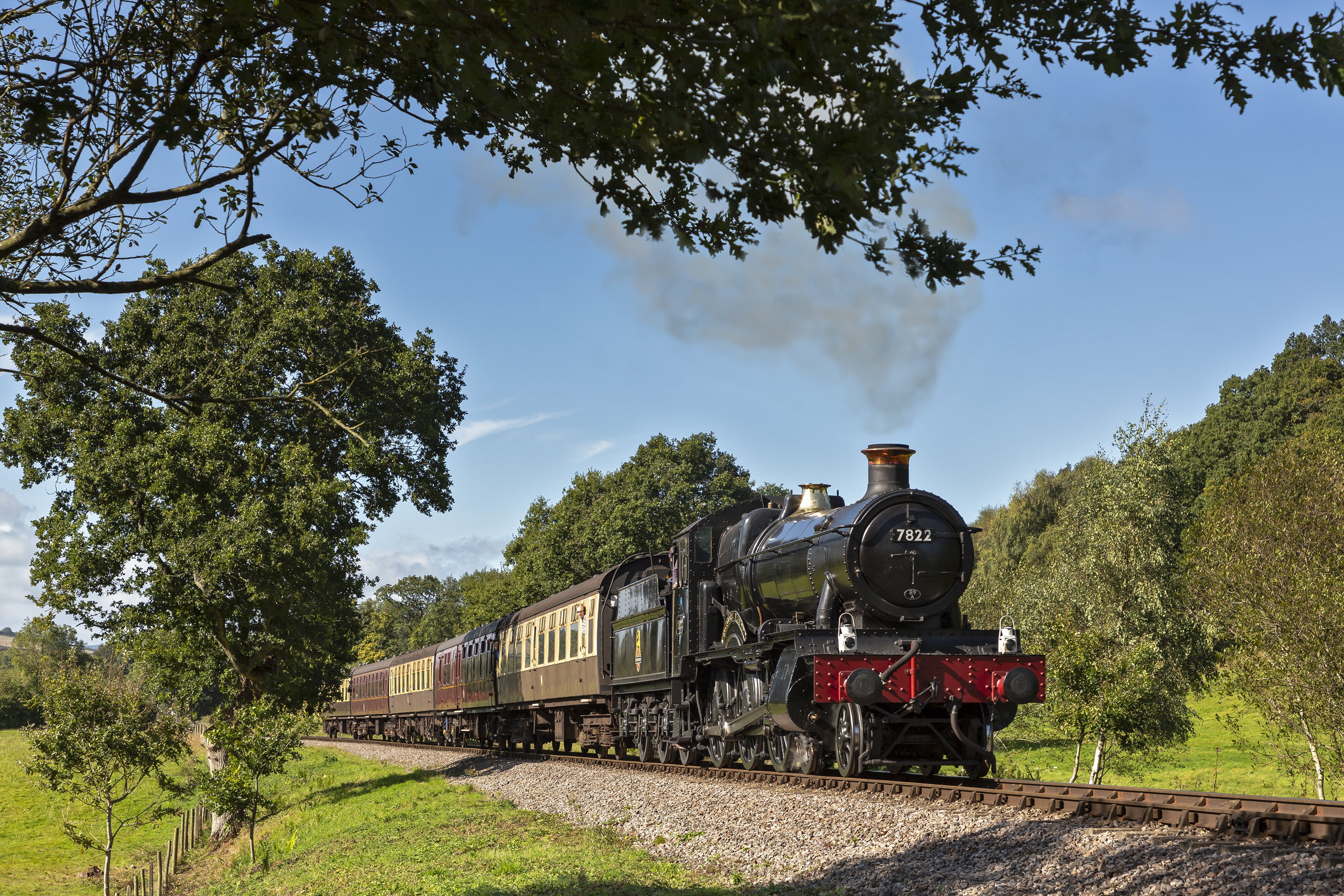
Foxcote Manor hauling a passenger train at Leigh Woods
Foxcote at Leigh WoodsPhotograph: Don Bishop
Number7822
ClassGWR Manor
Built1950
OwnerThe Society

Built to work.
Preserved to work.

Built at Swindon Works in December 1950, Foxcote Manor is one of nine surviving Great Western Railway 78xx Manor Class locomotives.

A locomotive with an identity

Independent, charity-owned, a proud example of the best of British engineering.

01 / IdentityFoxcote Manor
02 / Number7822
03 / BuiltSwindon, 1950
04 / Surviving classOne of nine
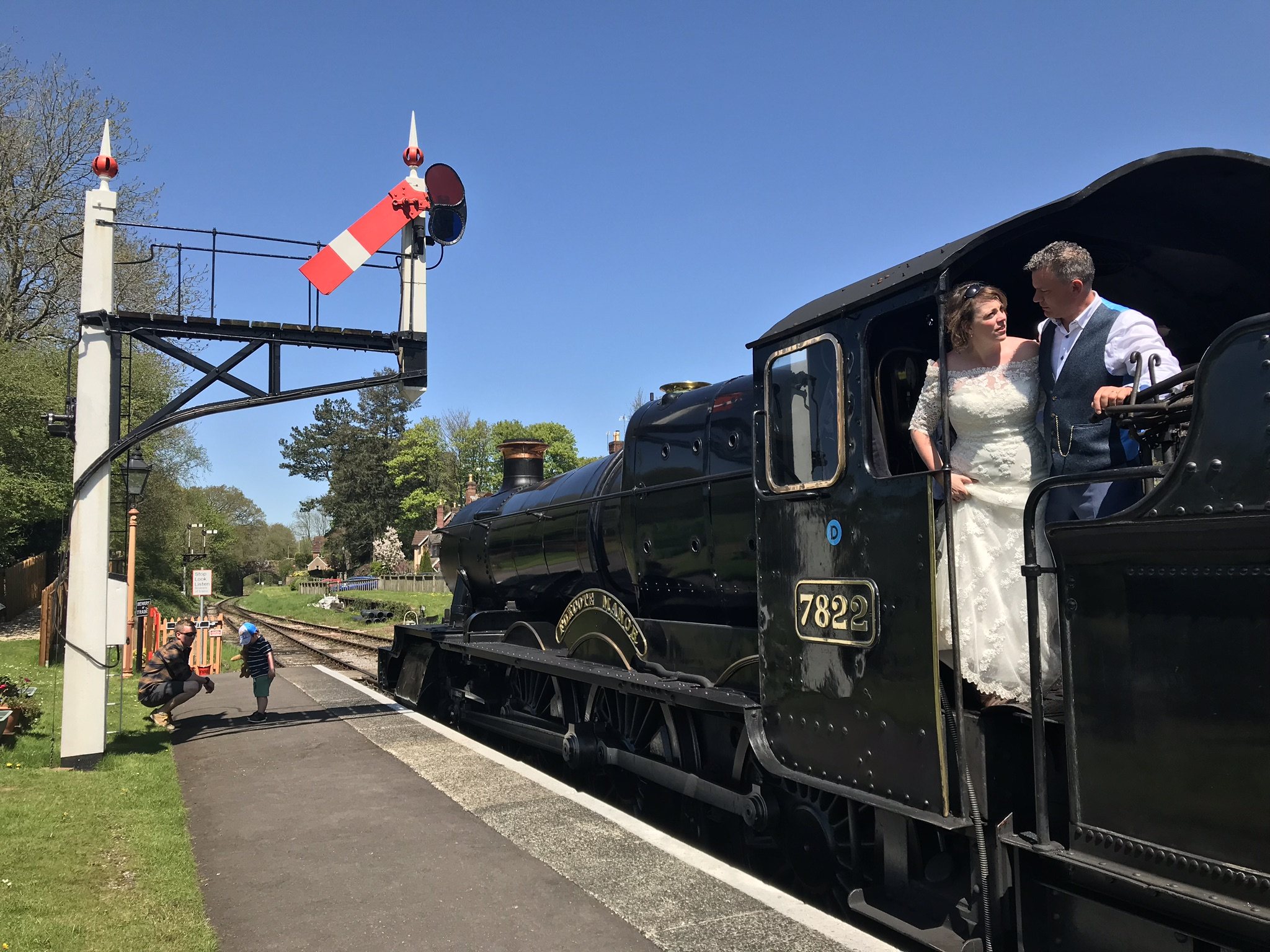
Foxcote hosts the bride and groom at Crowcombe Heathfield

A working locomotive

Four tickets. Many railways.

Foxcote Manor has completed 30 years of active service in preservation across four boiler tickets and more than 100,000 miles.

Explore operating stories

Owned.
Maintained.
Returning.

Construction

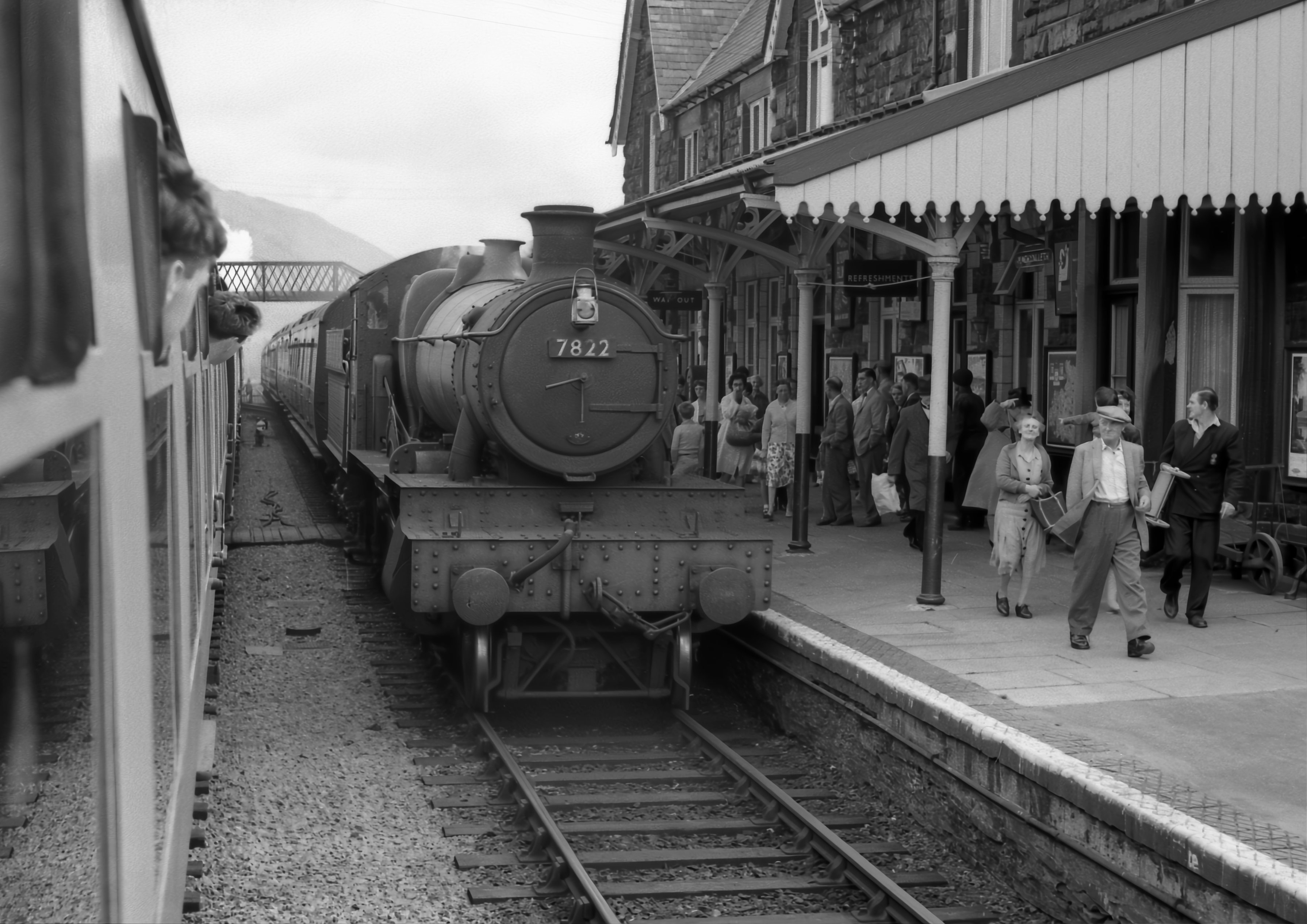
Foxcote Manor at Machynlleth on 12 August 1961
Foxcote at Machynlleth, 12 August 1961Courtesy: Andrew Dyke

GWR No. 7822 Foxcote Manor was built at Swindon Works as the third of the final batch of ten Manor Class locomotives produced after nationalisation by British Railways. She was outshopped in unlined black livery.

The locomotive takes its name from Foxcote Manor, a Grade II listed manor house in the Cotswolds near Withington in Gloucestershire.

Designed by Charles Collett, the Manor Class combined mixed traffic power with permissive blue route availability across the GWR network.
British Railways service

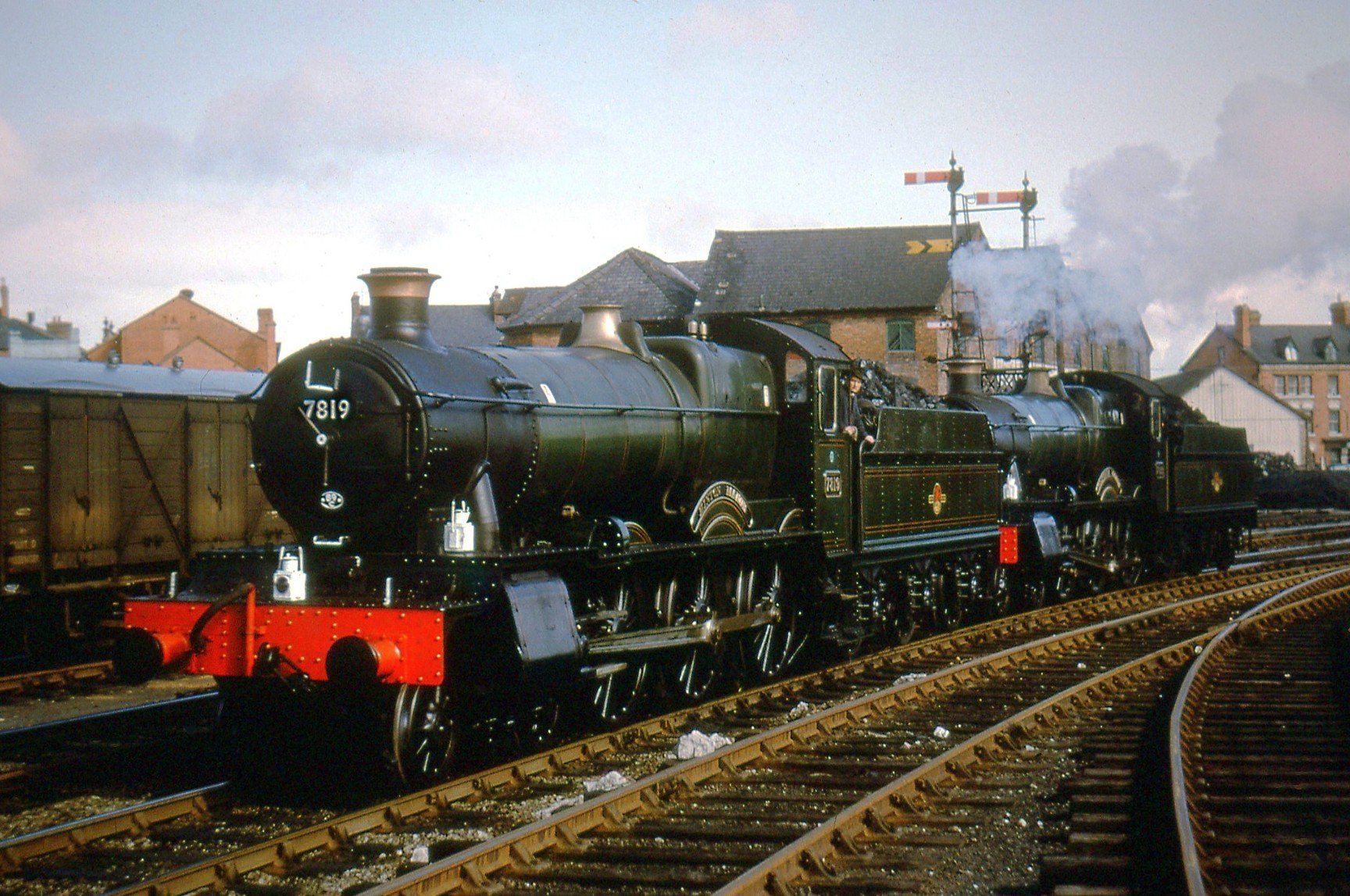
Manor Class locomotives prepared for Royal Train duty in August 1963
Royal Train locomotives, August 1963Photograph: Keith Pirt

No. 7822 entered traffic at Oswestry in December 1950. Throughout a fifteen-year British Railways career, Foxcote remained closely associated with the former Cambrian system, hauling passenger and freight trains across mid and north Wales, the Welsh Marches and the West Midlands.

Foxcote acquired a reputation for spirited performance and is reputed to hold the Manor Class speed record at 86 mph. One career highlight came on 10 August 1963, when No. 7822 was entrusted with hauling the Royal Train.

Shed allocations

DateShedLocation
31 December 195089AOswestry
24 April 195484KChester West
6 September 195889AOswestry
28 December 19636FMachynlleth
23 January 19656DShrewsbury

From Barry to Oswestry

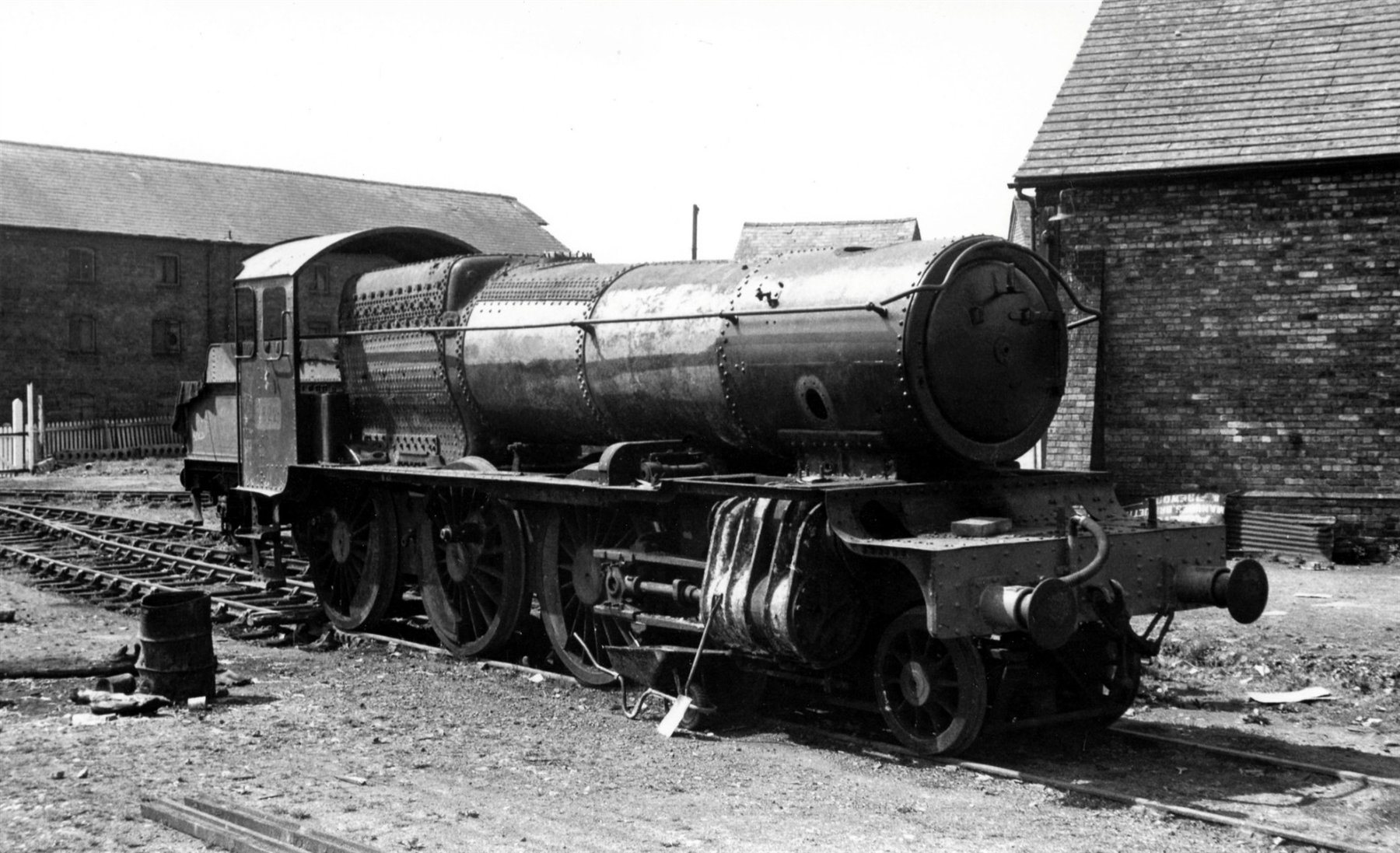
Foxcote Manor dismantled and awaiting restoration at Oswestry in May 1975
Restoration at Oswestry, 11 May 1975Society archive

Foxcote Manor was withdrawn from service in November 1965 after covering 482,693 miles under British Railways. In 1966 she was transferred to Woodham Brothers scrapyard at Barry Island.

What became the Foxcote Manor Society was formed in 1972 to rescue a Manor Class locomotive. Foxcote was purchased in 1974 and returned to Oswestry in January 1975, where volunteers began dismantling the heavily weathered engine.

Following the move to the Llangollen Railway and years of volunteer work and fundraising, No. 7822 returned to steam in 1987.

Preservation career

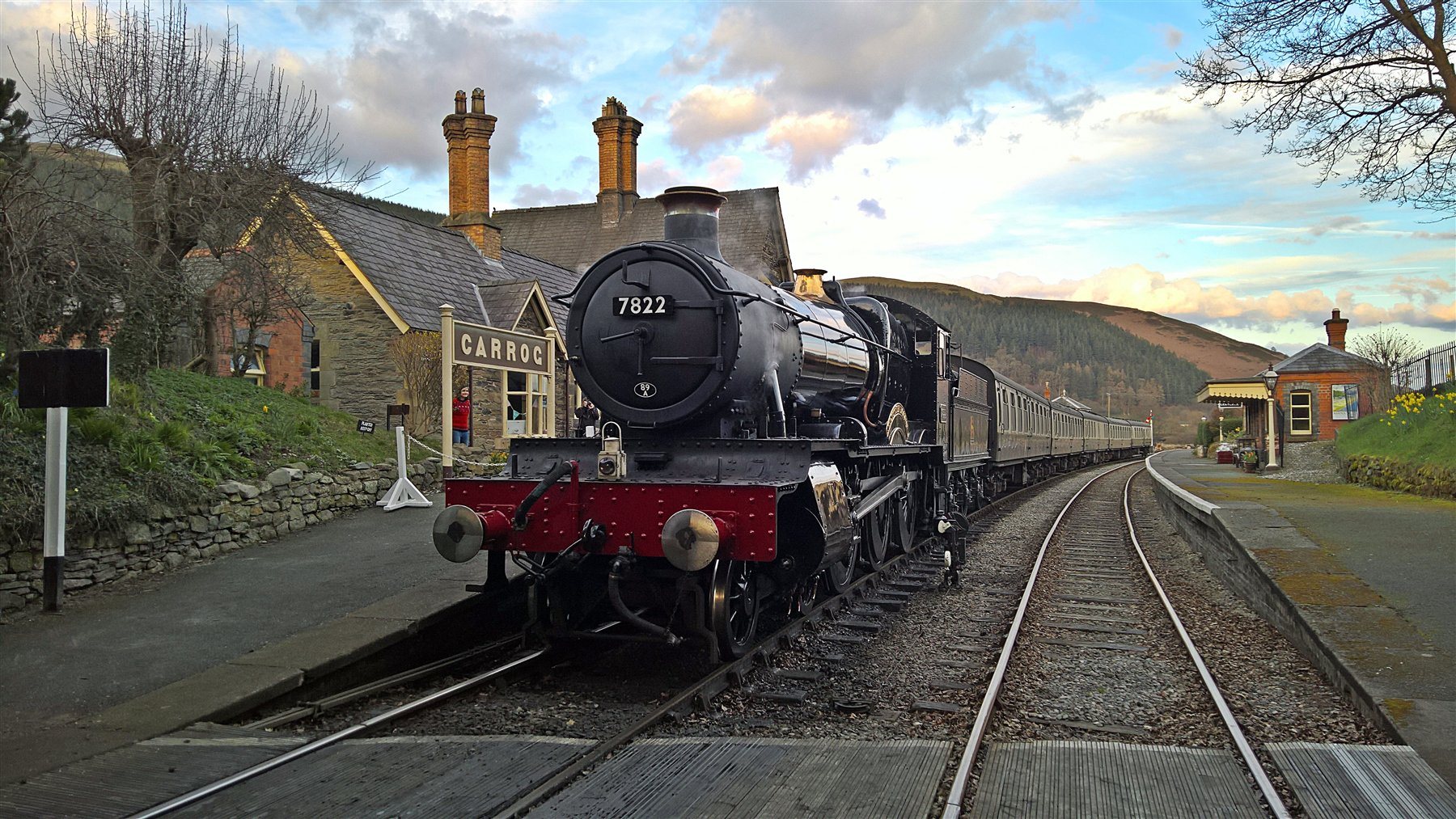
Foxcote Manor standing at Carrog during its preservation career
Foxcote Manor at CarrogPhotograph: Martin Fuller

Once restored, Foxcote Manor became one of the principal locomotives of the Llangollen Railway. On Good Friday 1990 she hauled the first passenger train to reach Deeside Loop, and in 2016 became the first Manor Class locomotive to reach Corwen in 51 years.

Foxcote has also operated at preserved railways and events across the UK, building the working record that the Society continues to protect.

The tender

Foxcote Manor runs with the same tender she was paired with when sent to Barry Scrapyard. Investigation suggests that the chassis number 1727 is more likely to be its correct identity than the official number 2347.

Current overhaul and legacy

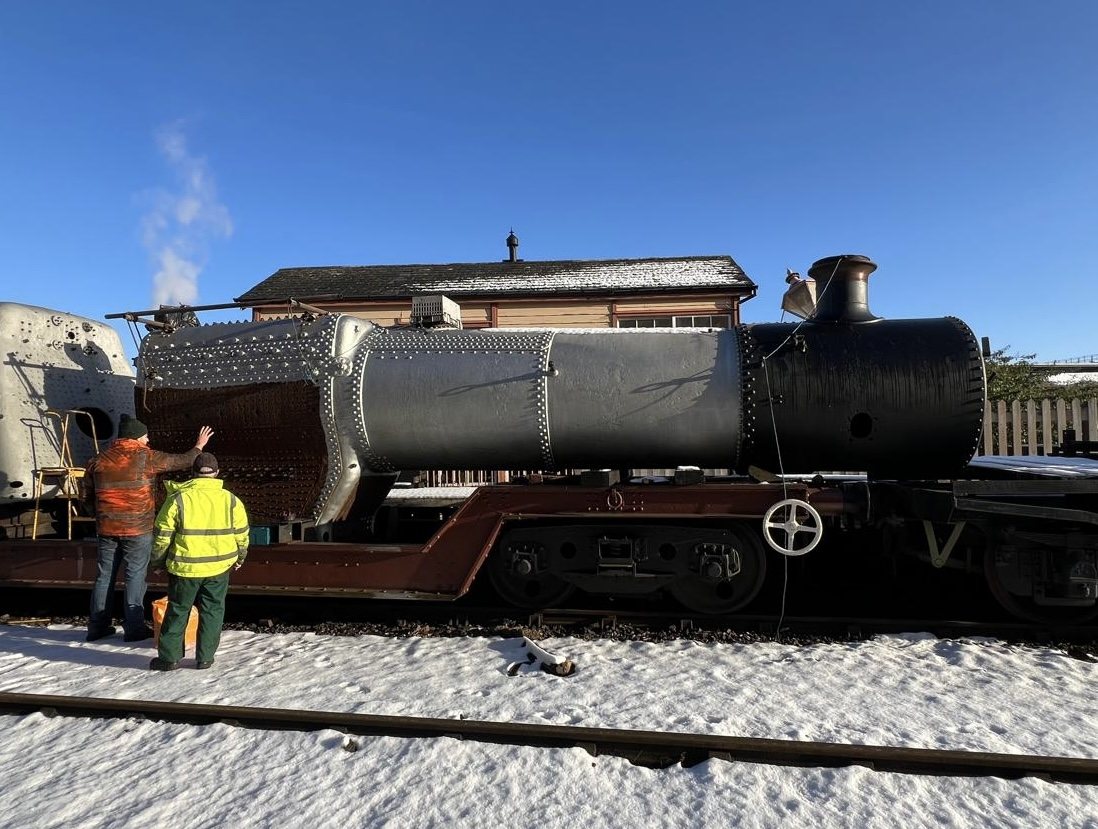
Foxcote Manor boiler outside in the snow during the overhaul
Foxcote’s boiler in the snowPhotograph: Andrew Bailey

Foxcote has completed 30 years of active service in preservation across four boiler tickets and more than 100,000 miles. During that time, the Society has invested heavily in the locomotive, including a new front tubeplate, bogie, driving wheel and tender tyres, tender tank, tender drag box and smokebox.

The boiler is a 1938-built example first fitted to No. 7819 Hinton Manor. Its copper firebox is now being renewed, together with a new steel doorplate and new three-quarter steel side sheets.

Today, No. 7822 Foxcote Manor remains a testament to the preservationists who saved her from Barry Scrapyard and to the volunteers and members supporting her return to steam.

Website Design by Pedwar

Cookie Settings